Packing · 8 min read
How to pack a kitchen for a 1,700 km drive
Our packing lead shares the method that gets plates, glasses and knives to Melbourne without a single chip.
Sam Okafor ·
Kitchens break more things than every other room combined. Glass, ceramics and odd shapes all rattle around for hours on a truck deck, and a Brisbane to Melbourne run means around 19 hours of motion. The good news is that a kitchen packed properly arrives perfectly, and the method is easy to learn.
What you need
- Medium double-wall boxes. Never large ones for kitchens, as they get too heavy.
- Four or more glassware cell packs.
- About 10 kg of plain packing paper. Newspaper ink rubs off.
- One roll of bubble wrap for stemware and anything with a handle.
- Good tape, a marker and a stack of labels.
Build the box before you fill it
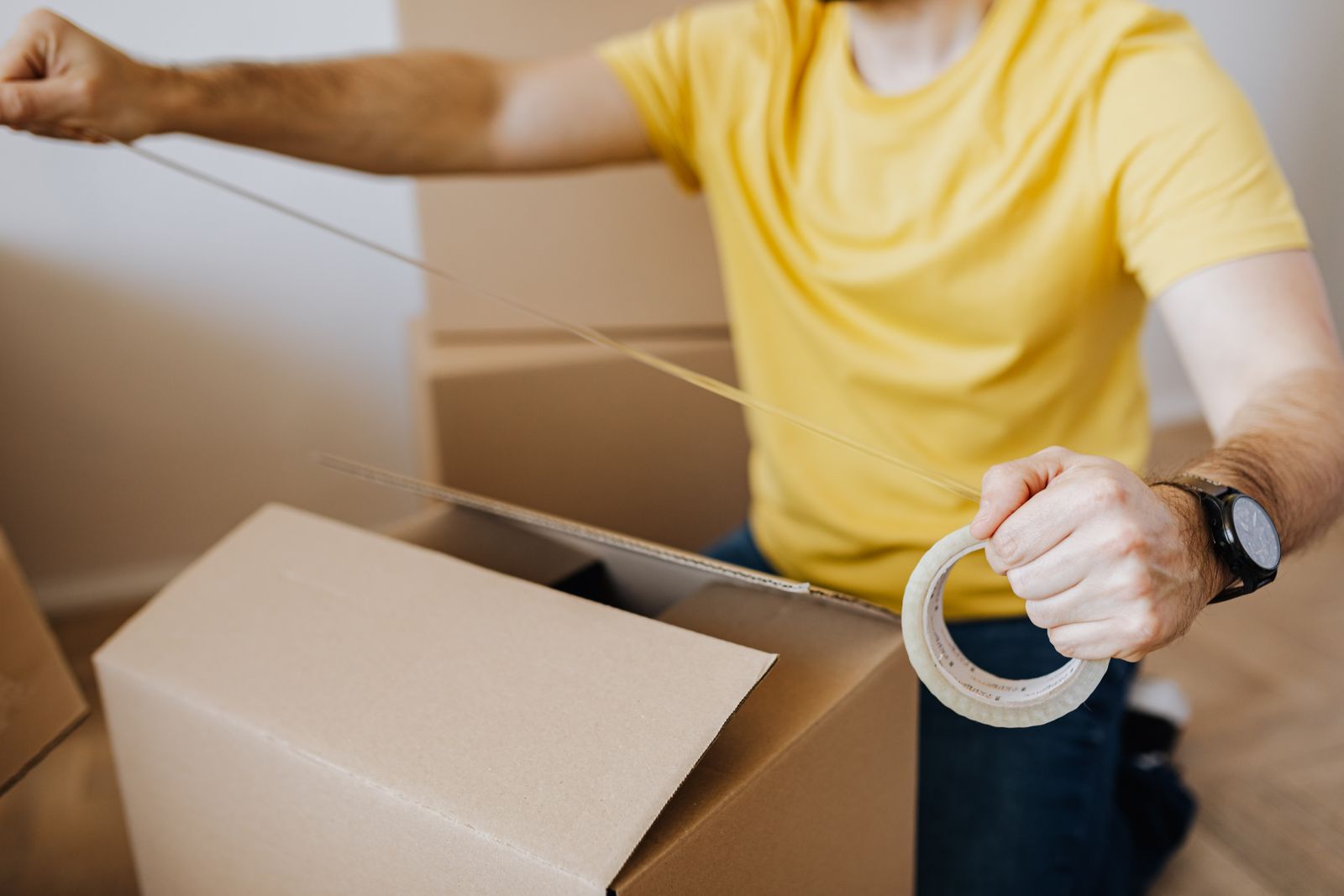
Tape the bottom with three strips: one down the centre seam and one along each edge. Scrunch two or three sheets of paper into a cushion layer at the bottom. That cushion absorbs shocks when the box is put down hard.
Plates travel on their edge
This is the single biggest tip. Plates packed flat in a stack crack under the weight of the plates above them. Wrap each plate in paper, bundle four or five together, and stand the bundle on its edge like records in a crate. Fill gaps with scrunched paper so nothing can move.
Glasses go in cell packs
Wrap each glass in a sheet of paper, stuffing a little inside first, and slide it into a cell. Wine glasses get an extra layer of bubble wrap around the stem. Cell packs stop glasses touching each other, which is how most breakages happen.
Knives, appliances and the awkward stuff
- Wrap knives together in a tea towel, tape it closed and label it clearly as sharp.
- Pack small appliances in their original boxes if you still have them, or with paper around every side.
- Put pot lids between pots with paper in between, and nest smaller pots inside larger ones.
- Tape bottles of oil and sauces closed and pack them upright in a sealed plastic tub.
If the box rattles when you gently shake it, it is not finished. Add paper until it is silent.
Label for the unloading crew
Write the destination room, a short contents note and FRAGILE on two sides of the box, not the top. Boxes are stacked, so the top label disappears. Our crews unload by room, so clear labels mean your kitchen boxes land on the kitchen bench rather than in the garage.
Pack a first-night box
Keep one box out of the truck: kettle, two mugs, tea and coffee, a frying pan, a knife, a chopping board, dish soap, a tea towel and something easy for dinner. After a long day of travel, it is the most useful box you will own.
If this all sounds like a lot, our packers can do a full kitchen in about three hours, and anything we pack is covered by full-value transit insurance.